
Practical Preparedness for Real Life
disaster preparedness
-
Disaster Preparedness Plan Example: Your Essential Guide to Safeguarding What Matters Most
Disasters can strike unexpectedly, leaving individuals, businesses, and communities struggling to survive and rebuild. A disaster preparedness plan acts as a roadmap to protect loved ones, property, and essential assets. Whether facing a hurricane, wildfire, earthquake, or power outage, the right plan transforms helplessness into resilience. Here’s a comprehensive disaster preparedness guide to help you…
-
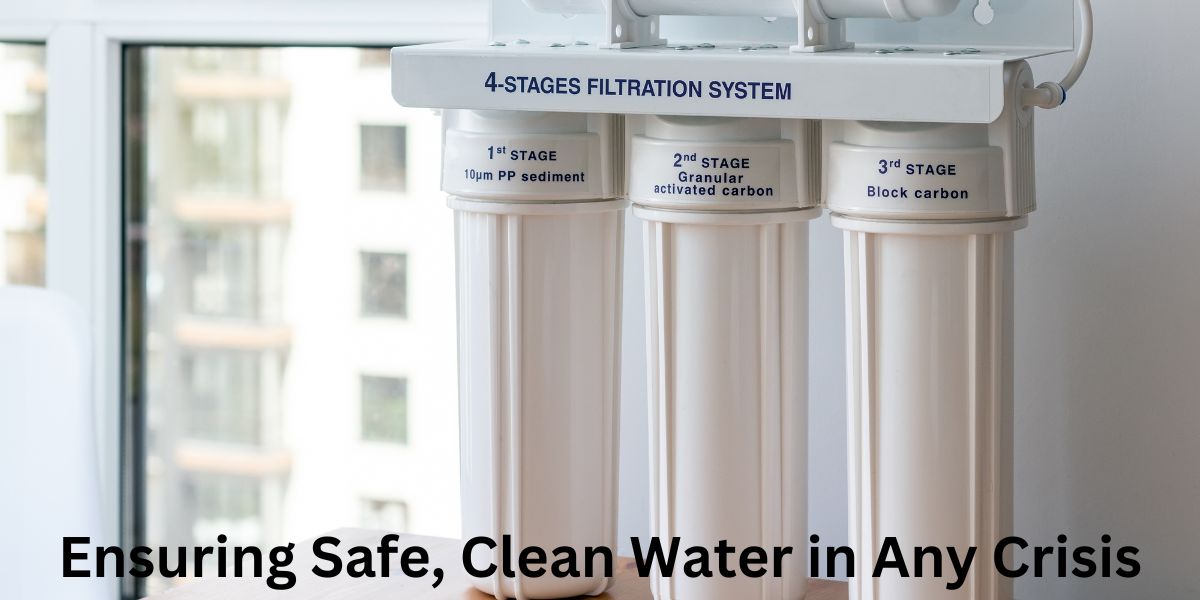
Best Emergency Preparedness Water Filter: Ensuring Safe, Clean Water in Any Crisis
Clean drinking water is essential for survival during emergencies. Natural disasters or prolonged outages can disrupt access to safe water, leaving you vulnerable to dehydration and disease. The right emergency water filter ensures access to clean water, turning potentially unsafe sources into safe drinking water. Here’s a guide to help you choose the best water…
-
How Important Is Disaster Preparedness? Understanding Why Preparation Is Essential
Disaster preparedness is crucial because it minimizes risks, protects lives and property, and ensures quicker recovery. Being prepared helps you respond effectively, stay safe, and reduce the impact of emergencies on your life and community. When calamity hits, the aftermath can be overwhelming—especially if you’re unprepared. Emergencies leave families, companies, and entire communities facing critical…