Hello, folks! Today, we’re discussing something super important – your bug-out bag. I understand that it might sound a bit ‘prepper-ish,’ but trust me, having one of these babies can be a game-changer when things go south. No fancy jargon, just real talk. So, let’s dive into the nitty-gritty of what you must have in your bug-out bag.
What’s a Bug Out Bag Anyway?
First things first, what’s this bug-out bag deal? Well, think of it as your survival buddy. It’s a bag you pack with everything you’d need to bail out quickly. Whether it’s a natural disaster, a zombie apocalypse (okay, maybe not that), or just a sudden need to hit the road, your bug-out bag has your back.
Picking the Right Bag
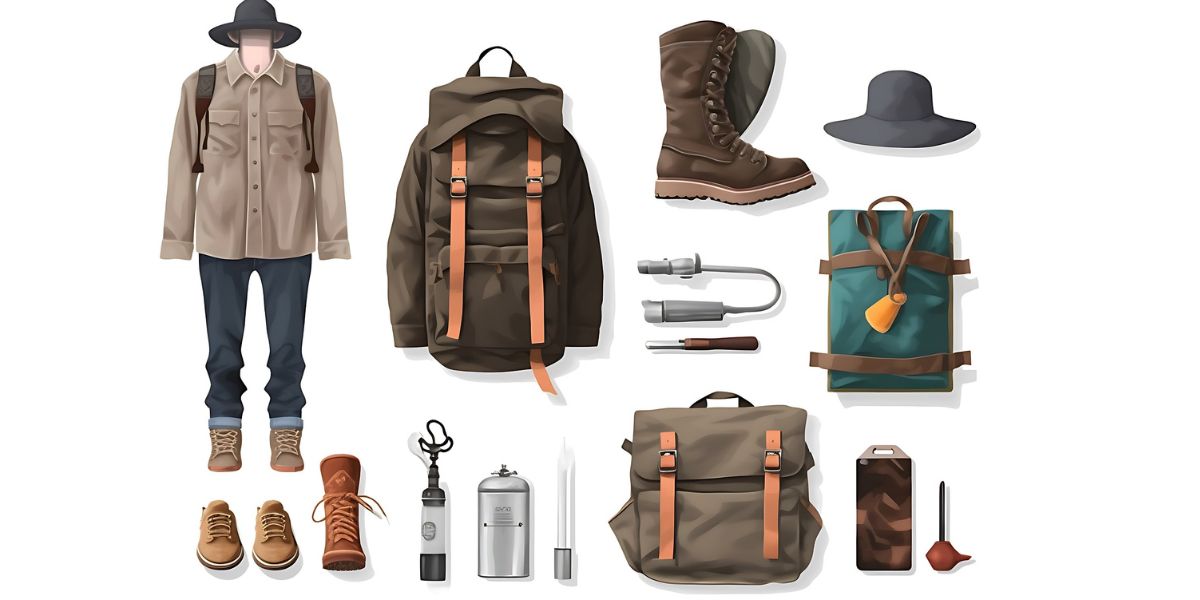
Alright, so the bag itself is crucial. You want something to stay intact when you need it most. Go for a rugged, waterproof backpack with loads of pockets. You want to be organized, not rummaging around like a squirrel looking for nuts.
Food and Water, My Friends
Now, let’s talk grub. You’re going to wanna pack some non-perishable food items – energy bars, canned goods, dried fruits, you name it. And water, remember that! Oh, and a way to clean it or purify it. Hydration is no joke.
Shelter and Threads
Imagine you’re stuck outside in the rain – not a fun time, huh? That’s where shelter and clothing come in. Toss in a compact tent or tarp for cover, and ensure you have clothes for all seasons: rain gear, warm layers, and the whole shebang.
First Aid Kit: Your BFF
Nobody plans on getting hurt, but stuff happens. So, pack a solid first aid kit with bandages, antiseptic wipes, and any needed meds—safety first, my friends.
Staying Connected
In a crisis, communication is gold. So, get yourself a battery-operated radio, a whistle (in case you have to signal for help), and a portable charger for your phone. You never know when you might need to call for backup.
Finding Your Way
Keeping on track is crucial, so you need a map, compass, and a GPS. Stay on the right path, folks!
Keeping Clean
Nobody wants to be stinky in a survival situation. Bring some soap, a toothbrush, and good ol’ toilet paper. A little hygiene goes a long way.
Swiss Army Who?
You’ll thank me for this one – pack a multi-tool. It’s like a Swiss Army knife on steroids. Plus, a flashlight and extra batteries – because nobody likes stumbling around in the dark.
Important Docs
Make copies of your IDs, insurance papers, and emergency contacts. You never know when you might need them.
Staying Safe
Let’s talk self-defense, huh? A flashlight with a stun gun or some pepper spray – those are handy tools when it comes to personal safety.
Creature Comforts
When the going gets tough, sometimes you need a little comfort. Toss in a book, some playing cards, or your favorite snacks. It’ll make those tough times more bearable.
Have a Plan
Last but not least, have a plan. Know where you’re going and what you’re doing. It’s like having a roadmap for when life throws you curveballs.
Extra Tips and Tricks for Your Bug Out Bag
Hey there, fellow preppers and future survival champs! Before I take off, let me drop some extra knowledge on you about your bug-out bag:
- Show Your Bug Out Bag Some Love
When you’re putting together your trusty bug-out bag, treat it like your favorite sidekick. Show it some love and care. Don’t just toss stuff in there without rhyme or reason. Get organized, label things, and ensure everything has its cozy spot.
- Regular Check-Ins Are a Must
Your bug-out bag isn’t a “set it and forget it” kinda deal, my friend. It would be best to give it some attention now and then. Check that your food isn’t past its prime, your batteries still have some juice, and your clothes have yet to go raggedy. A little tender loving care goes a long way.
- Customize for Your Hood
Where you hang your hat matters. If you’re chillin’ in a tundra, your gear’s gotta be different from someone posted up in a scorching desert. So, think about your surroundings and tweak your bug-out bag to match.
- Keep It Light and Tight
Remember, you might be lugging this thing for miles. Don’t weigh yourself down with extra junk. Keep it light. Keep it real. Every ounce counts, my friend.
- Practice Makes Perfect
A bug-out bag is one thing, but knowing how to use it is where the rubber meets the road. Practice setting up your shelter, working with your tools, and whipping up a meal from your emergency rations. Think of it as a dress rehearsal for the big show.
- Stay In the Know
Keep your finger on the pulse of what’s happening in your neck of the woods. Be ready to hit the road if things get hairy. Staying in the loop is a big piece of the safety puzzle.
- Help a Buddy Out
It’s not just about looking out for Numero Uno when it gets tough. If you can, lend a hand to others in a jam. After all, we’re all in this crazy ride together, huh?
- Keep Your Cool, Stay Safe
It’s easy to freak out when the unexpected smacks you in the face. But remember, you’ve got your trusty bug-out bag and a game plan. Keep your cool, think things through, and stay safe out there.
Wrapping It Up
All right, folks, that’s a wrap for real this time. Your bug-out bag is your golden ticket when the chips are down, so treat it right. Get prepped, care for yourselves, and look out for one another. Until we meet again, stay safe out there, you hear?
FAQs
How often should I update my bug-out bag?
Well, at least once a year. You want to ensure everything’s in working order and your supplies are ready.
Can I personalize my bug-out bag to suit my needs?
Absolutely! Your bug-out bag should be tailored to your specific needs and the emergencies you might face.
What’s the diff between a bug-out bag and a 72-hour kit?
Good question! A bug-out bag is for quick evacuations, while a 72-hour kit is meant to keep you going for, you guessed it, 72 hours no matter what happens.
Do I need a bug-out bag if I live in the city?
Yes, city or countryside, emergencies don’t discriminate. A bug-out bag is wise to have wherever you call home.
Can I share my bug-out bag with my family?
It’s a good idea to have one for each family member. You never know who will need what when stuff hits the fan.




Leave a Reply